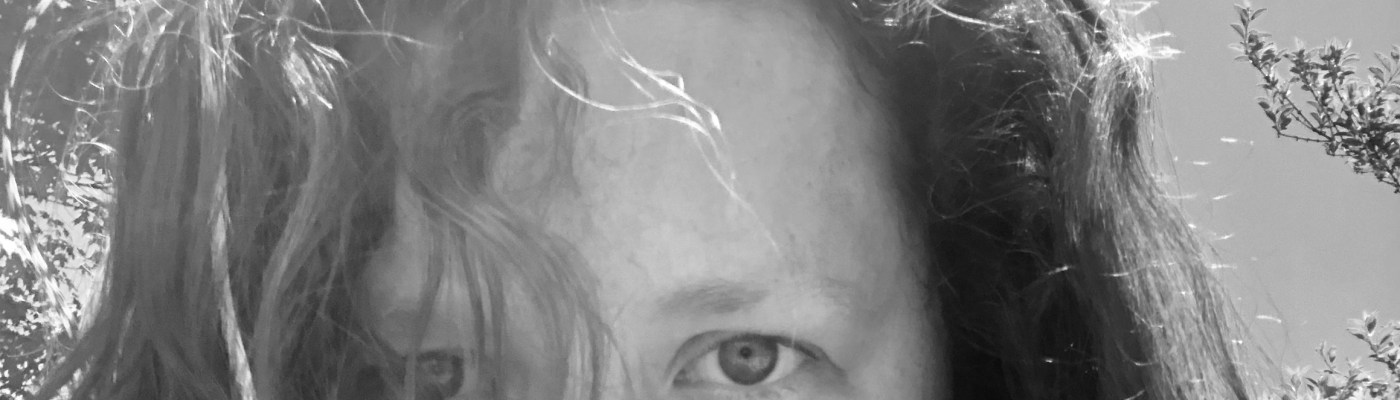

In my practice one aspect of my work is to see, to witness. In this witnessing I hold space for wherever my client is on their life journey. Knowing that I can not fix any part of their lives or their physical body this witnessing is all that I can offer. An opportunity to be seen. Seen in sadness. Seen in joy. Seen in vulnerability. Seen in longing. Seen in transition. Seen in growth. Seen in loss. Seen in abundance. Seen in survival. Seen in sickness. Seen in health. Seen in a slice of time that will shift again as the waves of life roll over them.
In my journey of witnessing I have found it necessary to implement a practice that my Tibetan teacher greatly emphasized. The practice of detached compassion. I show up for someone in such a way that they feel safe, held, and transformed all the while keeping my heart both open and at a distance. Outwardly I am connected. Inwardly I have to cut them out of my heart when they walk out my door. Every time a client leaves it could be the last time I see them. They could choose to stop coming for whatever reason, they could move, they could die. I have experienced all facets of client loss. It is painful. This practice of detachment keeps me from drowning in grief.
Every practice has its shadow and its light. This practice is a source of protection. It is also a source of limitation. Walls protect. Walls also prohibit.
The other half of this practice is the room in my heart for connection, warmth, trust, safety, and love. I do in fact love each and every one of my clients in various ways. I am deeply honored for the journey that I get to take with each person. I listen to where they are right now in their life. I respond with touch. Someone shares with me a hardship about their life. I witness with my presence and my hands. In recent months I have come to adopt a maxim in my practice: tangere est videre (to touch is to see).
I recently finished a book entitled Rumi: Gazing at the Beloved, the radical practice of beholding the divine by Will Johnson. In it the author discusses a journey that Rumi undertook with several other Sufis; the journey of a practice called Gazing at the Beloved. In essence, the practice of sitting across from someone and simply looking into their eyes for an extended period of time. Why? For the experience of oneness. For the experience of something that Rumi calls “annihilation of the soul.” This annihilation opens up avenues to the Divine that are otherwise closed. This practice helps break down walls and return our hearts to their natural state. The ultimate goal of this practice is to see so deeply into someone that you see into them so completely and look directly into the face of God. In many ways this is the journey of transcendence. It is the journey of connecting so wholly, so completely, that all else fades to nothingness. In the end only oneness remains.
I’m slowly transitioning to having more presence through intentional eye contact, both personally and professionally. At times it feels frightening. At other times it feels connective and nurturing. I am learning that in the journey to be seen I must also participate in the seeing of others more fully and with an open heart.
 Lindsay Hargis Post — Shamanic Touch Therapist